Rodeo Rankings: The 10 Most Underrated Web Design Markets in America (and Why Businesses Are Looking Beyond NYC and SF)
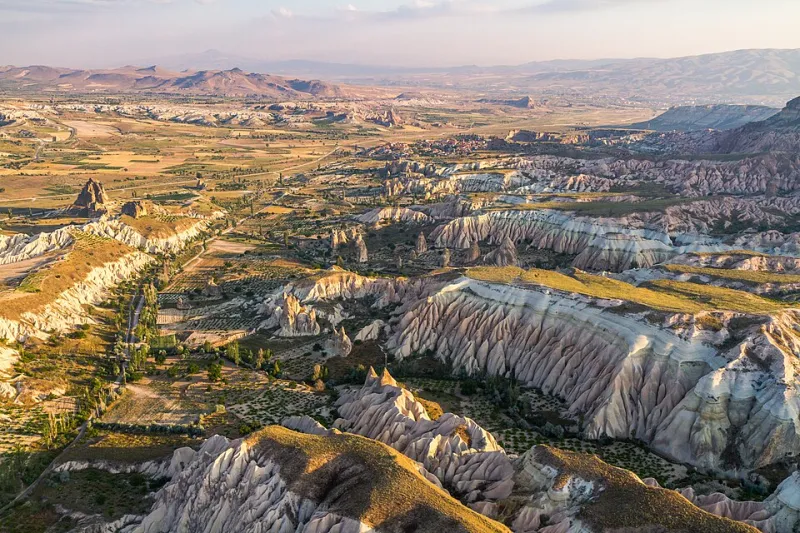
Photo: Benh LIEU SONG (Flickr), CC BY-SA 4.0, via Wikimedia Commons
For two decades, the assumption was simple: if you wanted serious web design talent, you looked to New York, San Francisco, Los Angeles, or maybe Austin. That assumption is aging badly. Remote collaboration tools, distributed teams, and a wave of skilled professionals relocating for affordability have turned a handful of mid-sized American cities into genuine agency hubs — places where the work is excellent, the rates are humane, and the talent isn't commuting two hours a day.
Below are ten markets that consistently punch above their weight. Rates cited are typical ranges for a mid-size custom website project based on regional agency pricing surveys and market observation; treat them as directional, not gospel.
1. Boise, Idaho
Idaho's capital has quietly become a tech corridor, anchored by a growing software sector and a low cost of living that lets agencies retain senior talent. Typical project range: $25,000–$75,000. Strong in SaaS and outdoor-industry branding.
2. Chattanooga, Tennessee
Chattanooga invested early in citywide gigabit internet, and a digital economy grew around it. The city's agency scene is tight-knit and production-focused. Range: $20,000–$70,000. Notable strength in healthcare and manufacturing clients.
3. Grand Rapids, Michigan
A legacy design city — furniture-industry design culture runs deep here — with agencies that bring industrial discipline to digital work. Range: $25,000–$80,000. Especially strong in e-commerce and B2B.
4. Tulsa, Oklahoma
Tulsa's remote-worker incentive programs have imported experienced designers from pricier markets, feeding a growing agency base. Range: $20,000–$65,000. Good value for content-heavy and corporate sites.
5. Omaha, Nebraska
Home to major corporate headquarters, Omaha's agencies have spent decades serving enterprise clients without coastal pricing. Range: $25,000–$75,000. Deep expertise in finance and logistics.
6. Greenville, South Carolina
A downtown revitalization story that extends to its creative economy. Agencies here blend Southern-market affordability with polished, modern work. Range: $20,000–$60,000.
7. Des Moines, Iowa
The insurance capital of the country needs serious digital partners, and Des Moines agencies have answered. Range: $25,000–$70,000. Compliance-heavy industries are a specialty.
8. Albuquerque, New Mexico
A growing creative class, a major university pipeline, and some of the most competitive rates in the Mountain West. Range: $18,000–$55,000.
9. Lexington, Kentucky
Equine wealth and bourbon money aside, Lexington's agency scene serves a surprisingly diverse regional economy with craft-level attention. Range: $20,000–$60,000.
10. Spokane, Washington
Twenty minutes from the Idaho border, Spokane captures Pacific Northwest talent at Inland Northwest prices. Range: $20,000–$65,000.
When a Secondary-Market Agency Is the Smarter Hire
Geography matters far less than it used to. A distributed team in Chattanooga can run a discovery process for a Boston client as rigorously as a SoHo shop — often with more senior people touching the actual work, because lower overhead means flatter staffing structures.
Secondary markets make the most sense when three conditions hold. First, your project is well-defined enough that face-to-face meetings aren't essential; video has largely closed that gap anyway. Second, you value senior attention over brand-name signaling — nobody at a trade show is asking which agency built your site. Third, budget efficiency matters: a 30 to 50 percent savings on comparable scope is capital you can put into content, photography, or paid acquisition instead.
There are caveats. Very large enterprise builds with heavy security and compliance requirements may still favor big-market firms with dedicated infrastructure. And if your industry demands deep local market knowledge — say, a regional real estate play — proximity can still help.
But for the majority of American businesses shopping for a custom website, the map has been redrawn. The next great agency for your brand may not have a Manhattan address. It might have a rodeo.